Next case
CoLab
The hub for artist and event hosts.
Role / Service
Product Design & UI Development
Overview...
CoLab is a comprehensive platform connecting gig artists and event hosts, streamlining the process of finding gigs, improving skills, and expanding networks. CoLab addresses the gig industry’s pain points by offering a personalized experience that helps artists manage multiple talents, track applications, engage in learning journeys, and build community connections. Our goal was to create a user-friendly and scalable MVP to attract pre-seed funding and kickstart development.
Empathise & Define Stage...
Understading user needs
Problem Statement:
Emerging gig artists face significant hurdles in finding gigs, growing their skills, and
building a professional network. Existing platforms are fragmented, often offering inadequate
gig recommendations, inconsistent learning resources, and limited networking opportunities. The
problem is compounded by a lack of features that allow artists to manage multiple talents or
track gig applications seamlessly.
Objectives:
• Solve artist frustrations: Create a centralized platform for artists to find gigs and
develop their talents.
• Enhance skill development: Provide structured learning resources that support artists'
professional growth.
• Foster networking: Build a community where artists can engage with peers, event hosts,
and opportunities.
Pain Points:
• Difficulty Finding Gigs: Gig opportunities were scattered across platforms,
making it time-consuming and difficult for artists to apply for relevant gigs.
• Lack of Personalized Recommendations: Artists had to manually search for gigs without
any personalization based on their skills, interests, or location.
• Limited Networking Opportunities: Artists found it challenging to connect with other
artists or event hosts for collaboration, support, or networking.
• No Gig Management Tools: Artists had no easy way to track the status of their gig
applications, leading to confusion and missed opportunities.
• Struggles with Early Career Opportunities: Emerging artists faced difficulties in and
finding opportunities to showcase their talents.
Research & Data Gathering:
Primary Research:
• We conducted interviews and surveys with over 50 gig artists and
15 event hosts to understand how they find gigs, network, and develop their skills.
• Artists reported frustrations with navigating multiple platforms for gigs, managing multiple
talents, and tracking their gig applications.
Secondary Research:
• We leveraged insights from MIDiA Research and Billboard to
analyze the broader market trends and challenges faced by indie artists
• The indie sector’s market share rose to 34.6% by 2022. Yet, over 60% of artists still struggle
with finding gigs and 80% face career-start challenges.
User Persona...
01
Ravi Sharma
- The Aspiring Indie Musician
Age: 26
Occupation: Indie Musician (Guitarist/Singer)
Frustrations: Struggles to find relevant gigs and faces poor communication with event
organizers.
Needs: A platform that consolidates gig opportunities and facilitates seamless
communication.
Goals: Secure consistent, well-paying gigs and build a network with other
musicians.
02
Anjali Singh
- The Passionate Choreographer
Age: 30
Occupation: Dancer & Choreographer
Frustrations: Difficulty finding paid gigs and access to structured learning
resources.
Needs: A platform to discover gigs and access educational resources for skill
development.
Goals: Find consistent, paid dance gigs and improve her choreography skills.
03
Arjun Mehta
- The Ambitious Stand-Up Comedian
Age: 32
Occupation: Stand-Up Comedian
Frustrations: Inconsistent gig opportunities and difficulty promoting himself in a
competitive industry.
Needs: A solution to find more gigs and connect with relevant people to grow his
career.
Goals: Increase visibility, secure more gigs, and expand his professional network.
Key Features and Solutions...
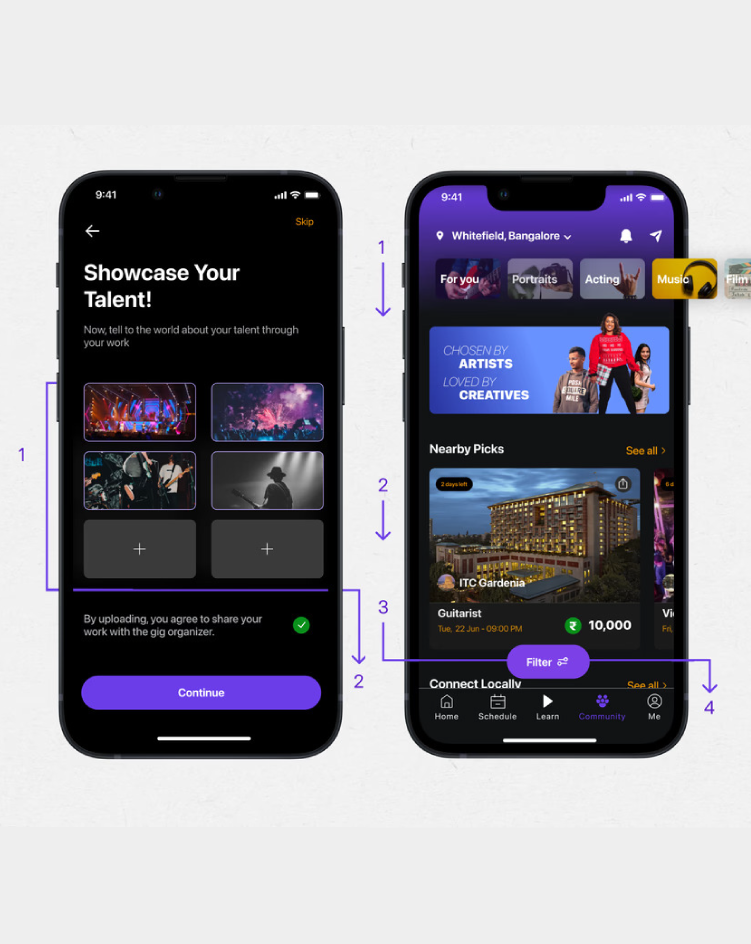
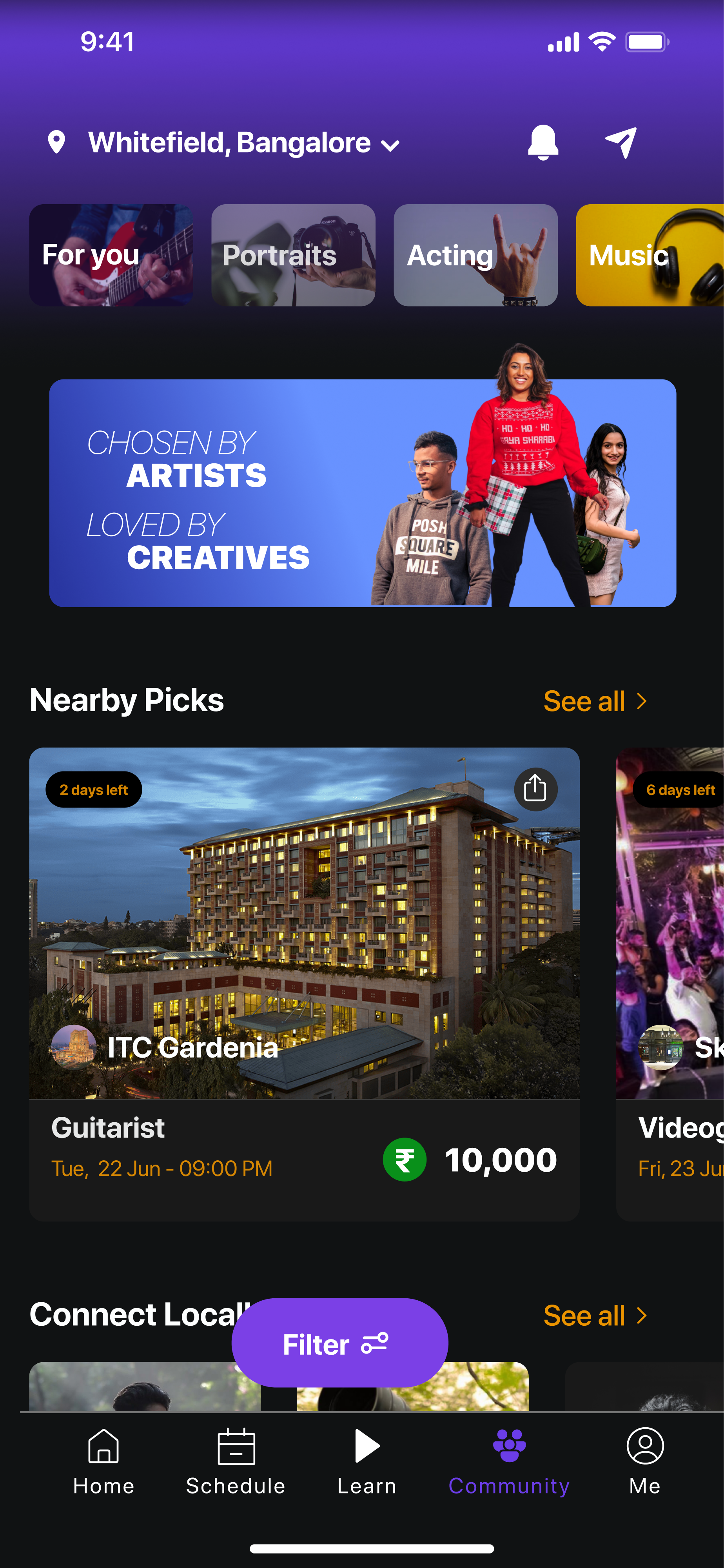
Gig Discovery & Personalized Recommendations:
• The homepage presents gig cards with comprehensive details, enabling artists to quickly
assess
gig opportunities without extra clicks.
• Gigs are tailored based on users’ preferences, past gigs, and skills.
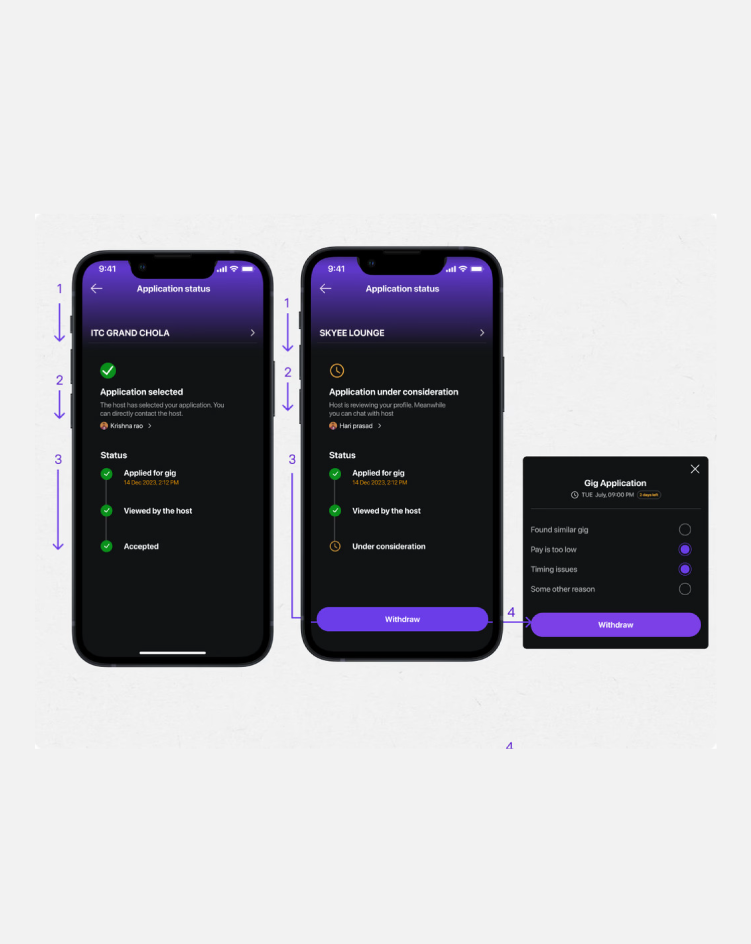
Gig Application Tracking:
• A dedicated gig tracker dashboard allows artists to monitor the status of every application
they submit.
• Artists can receive real-time notifications when their applications are reviewed, approved,
or rejected.
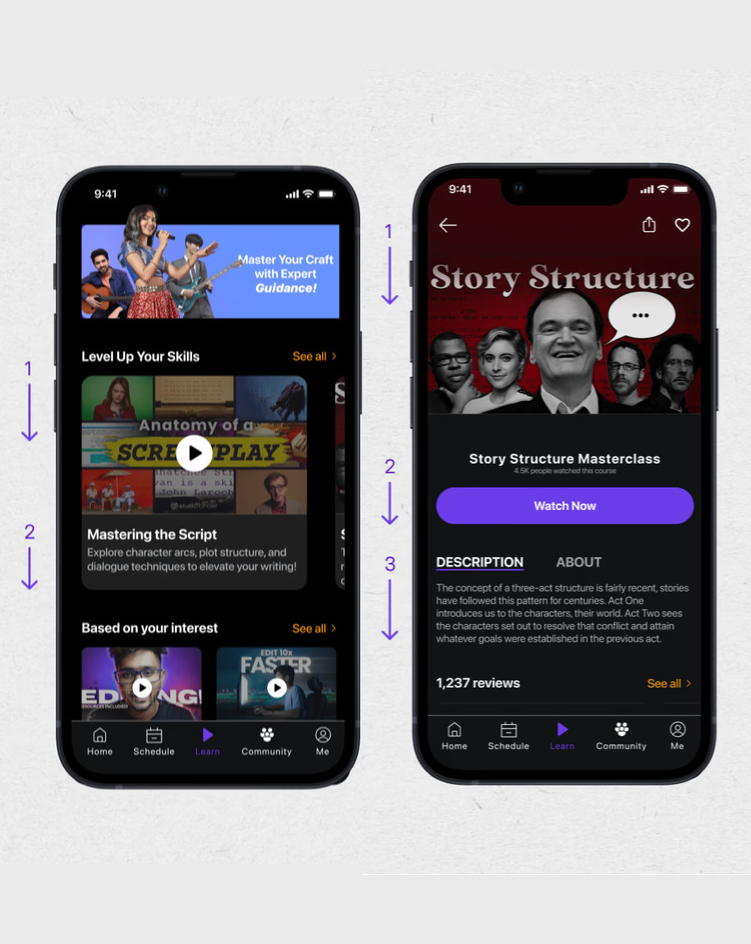
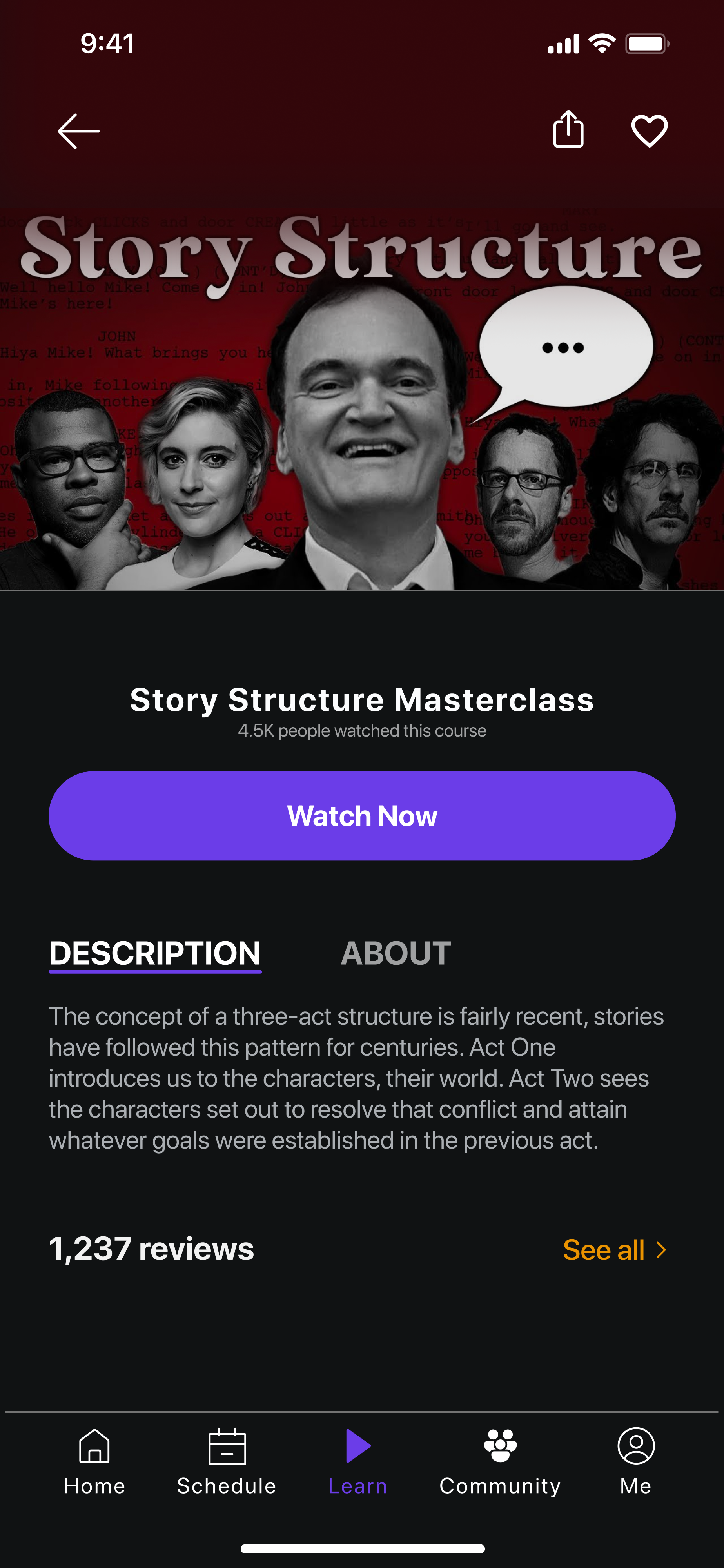
Learning Journeys:
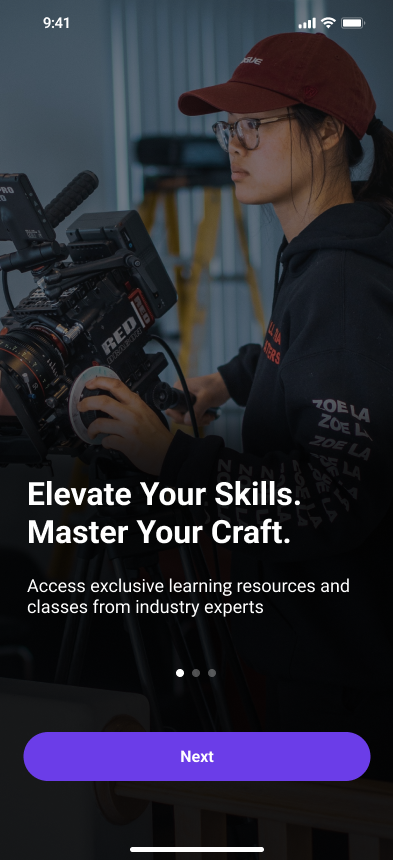
• The learning section offers structured learning paths, personalized based on the artist’s
skill level and area of interest.
• Artists can explore courses on mastering instruments, improving production techniques, or
experimenting with new genres.
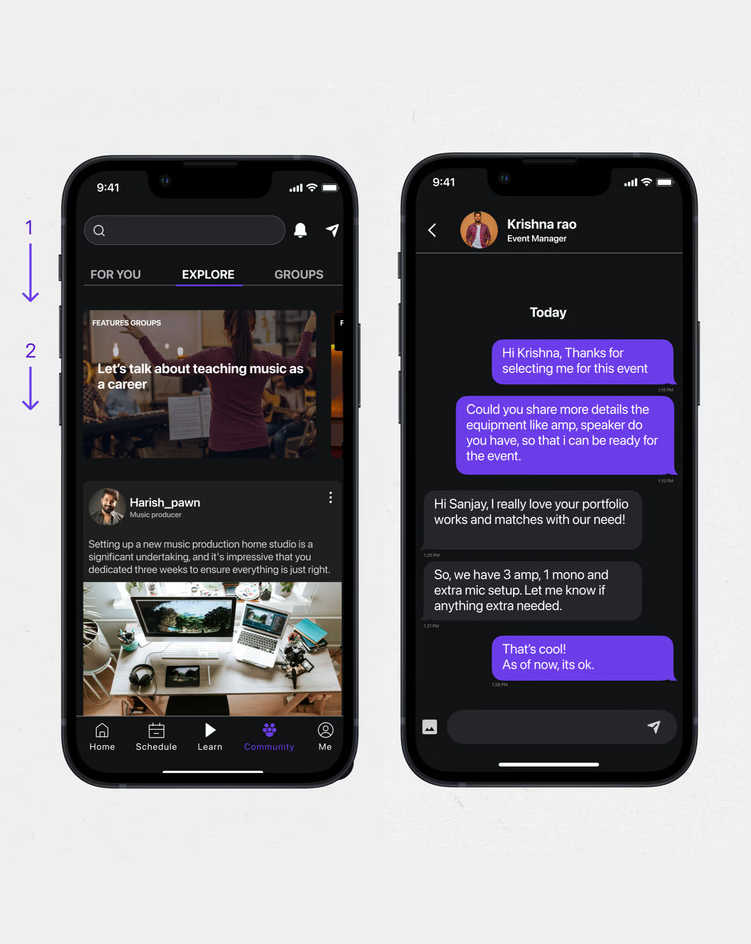
Community & Networking:
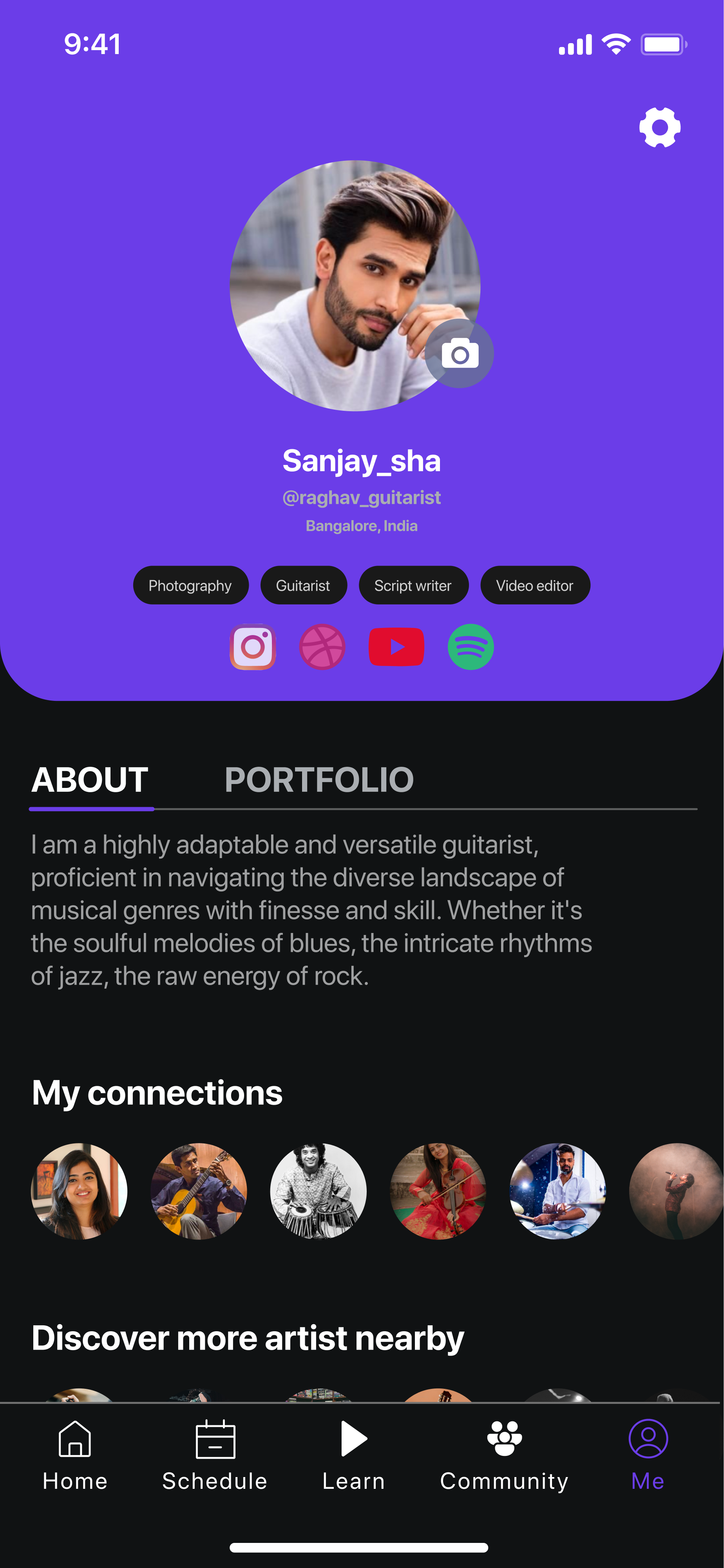
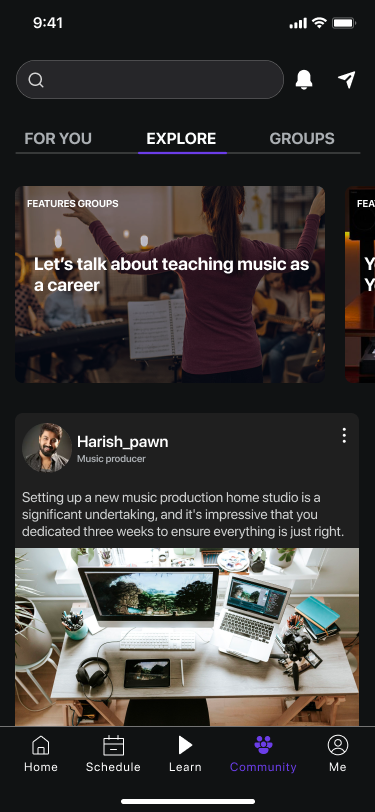
• A dedicated community page allows artists to network through curated posts, group chats,
and collaboration opportunities.
• Users can join artist groups based on their art form or skill level, participate in
discussions, and explore featured content.
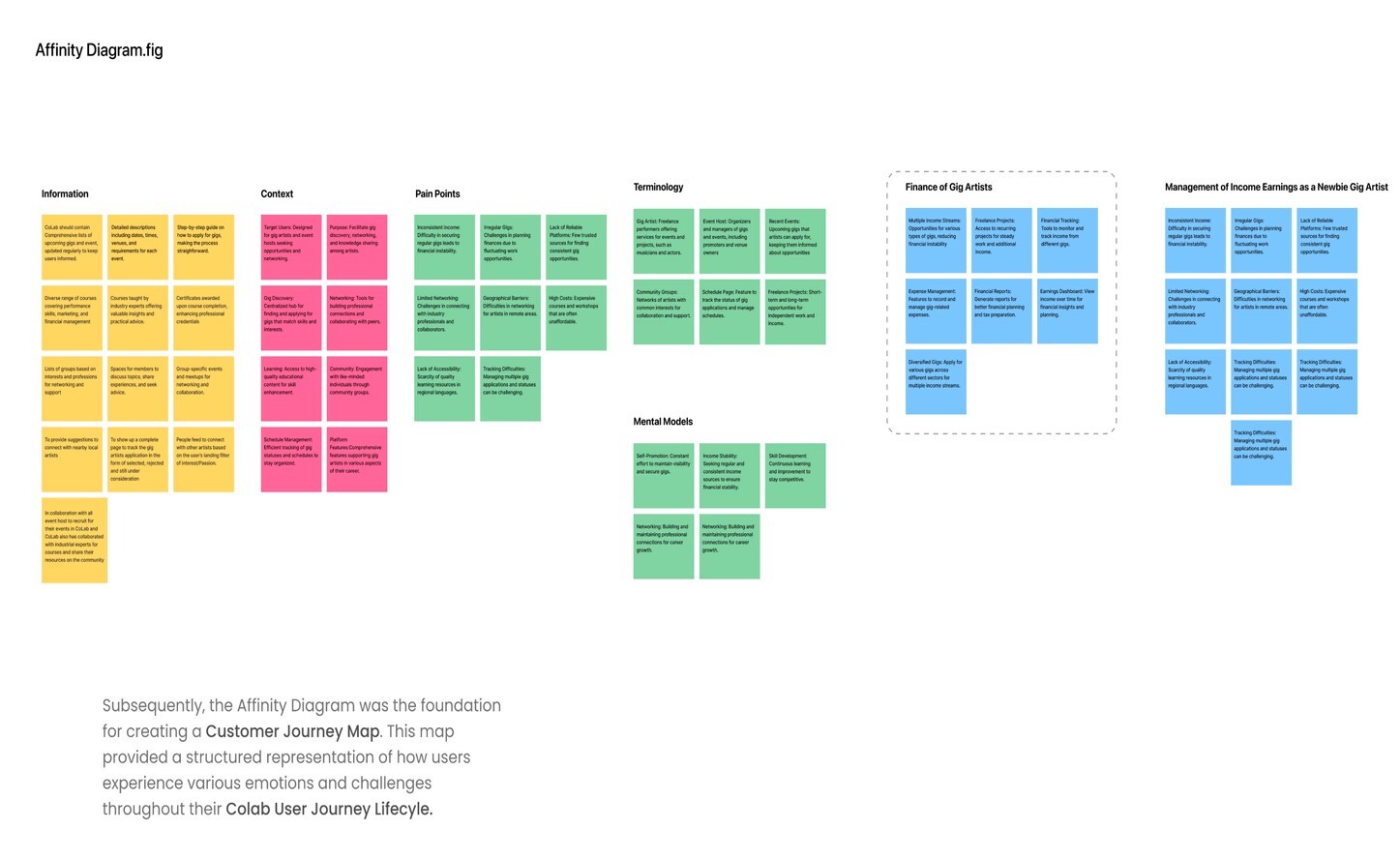
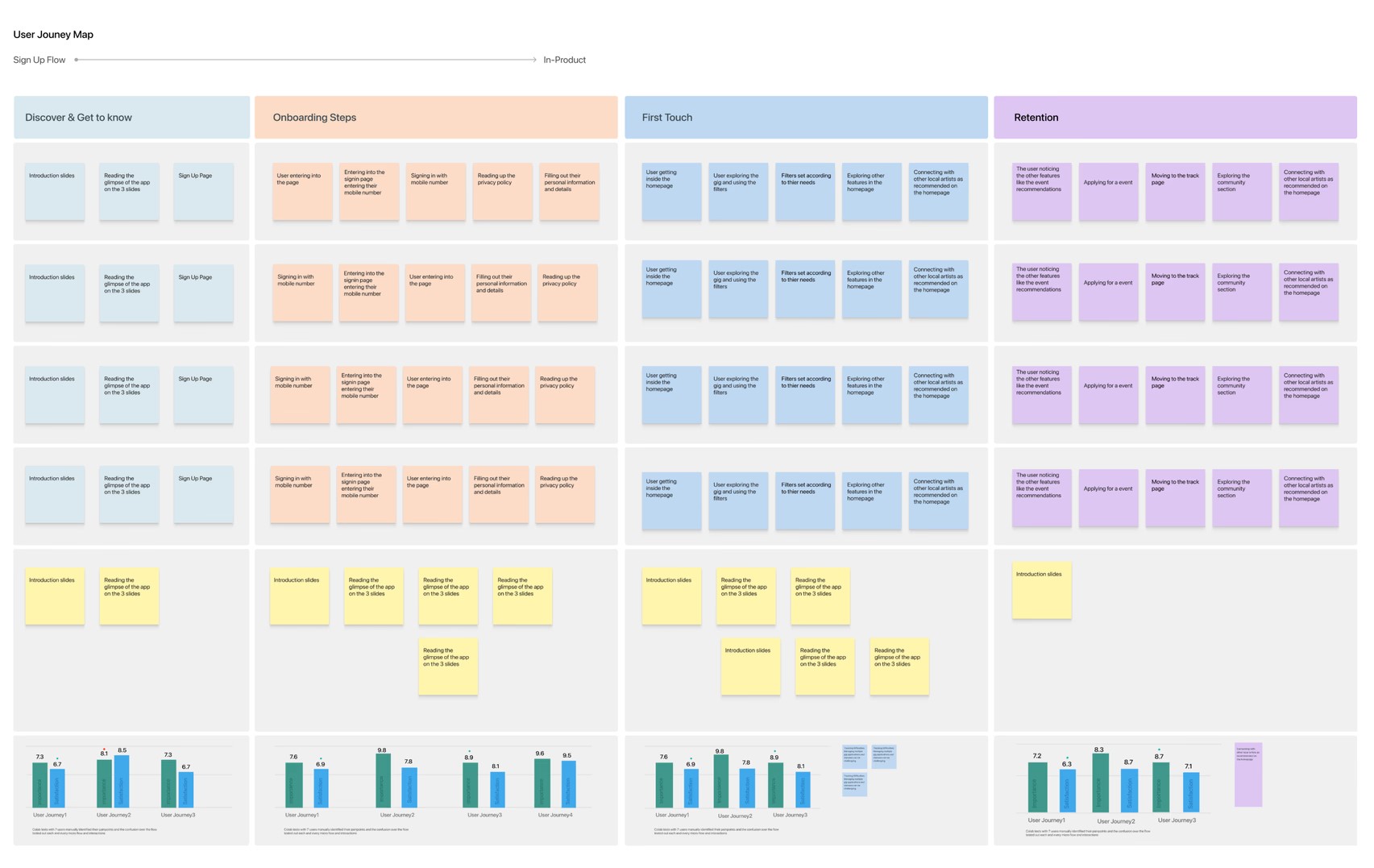
User Journey Mapping and Affinity Diagram...
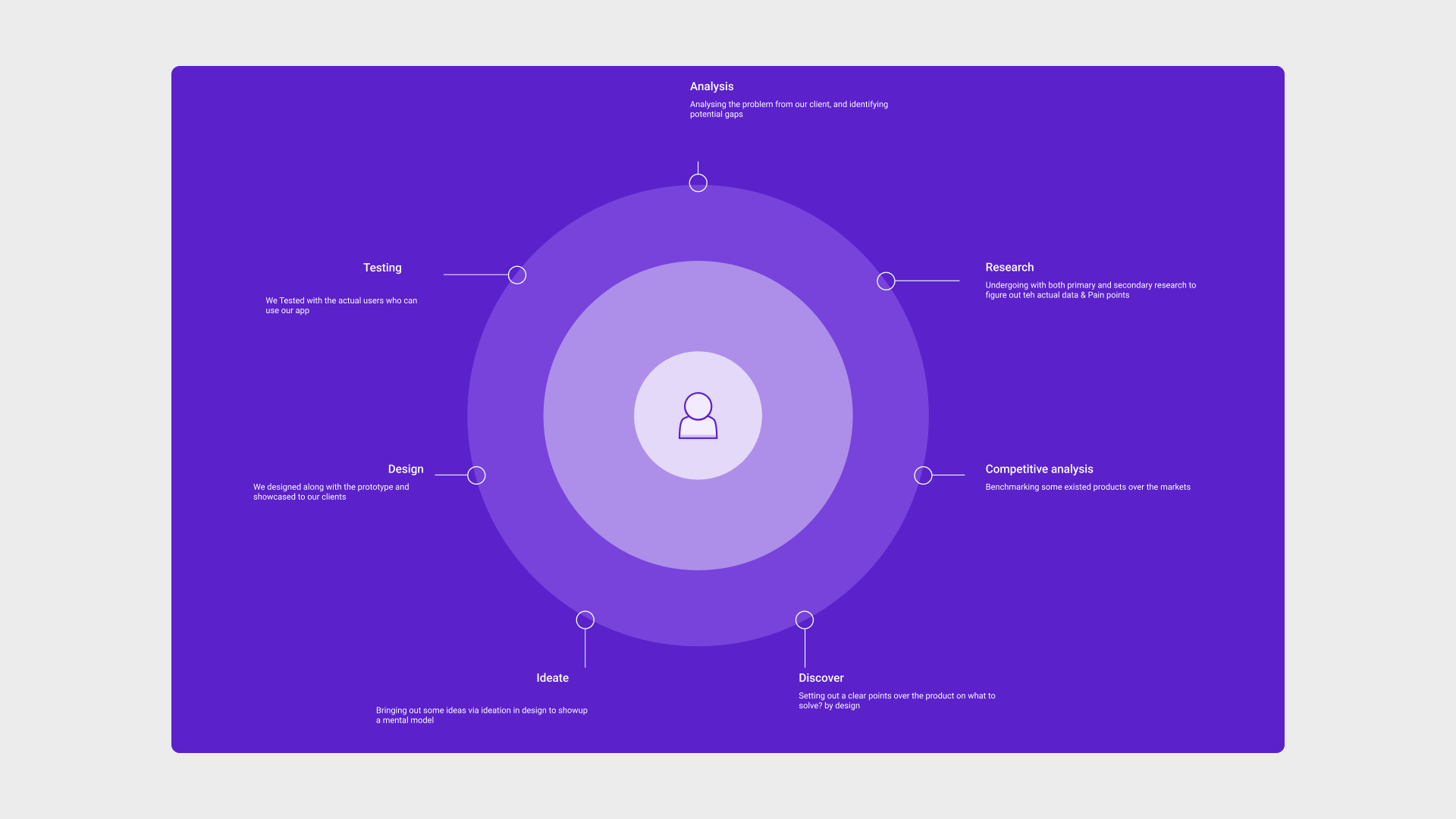
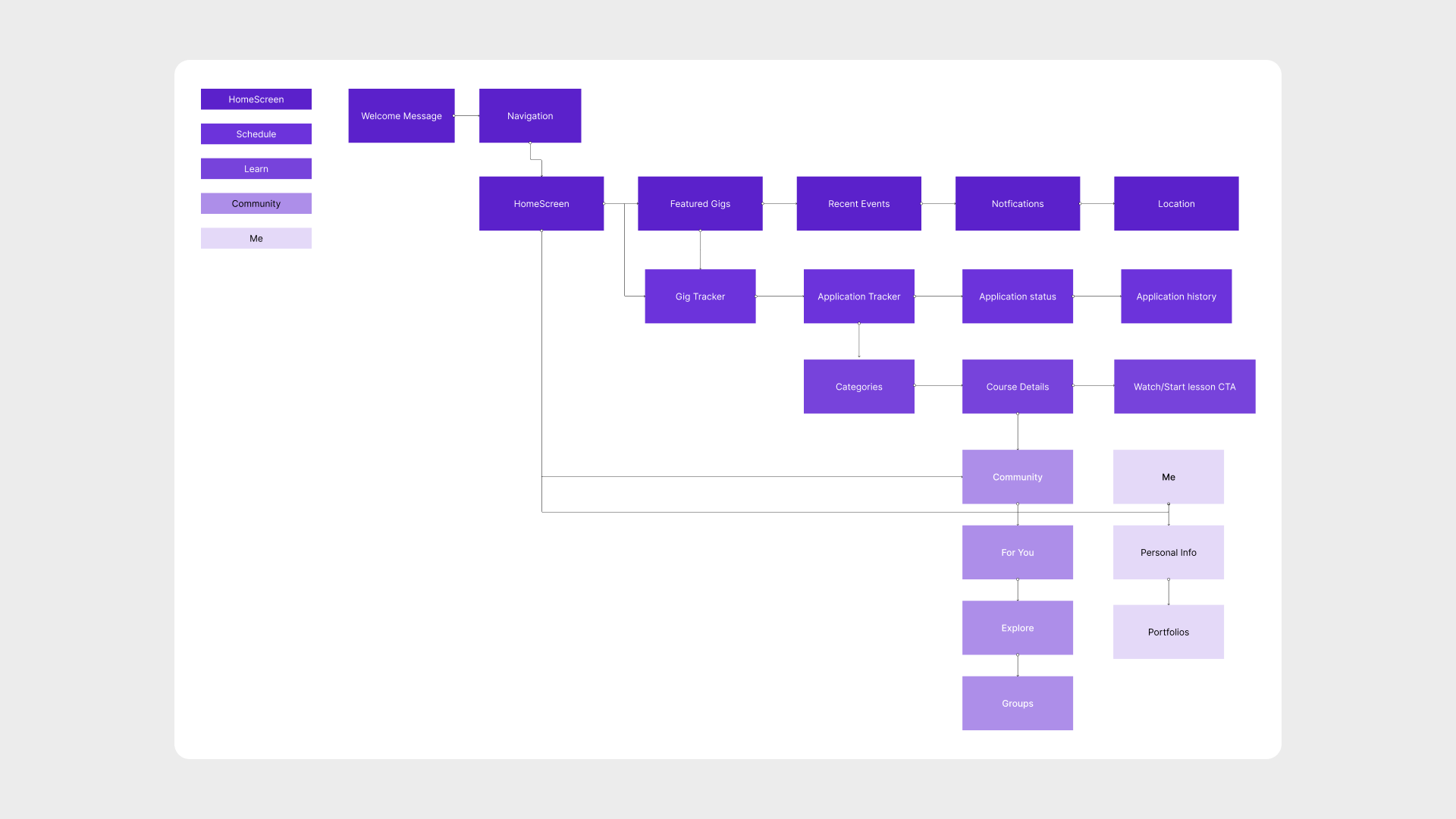
Design Process & Information Architecture
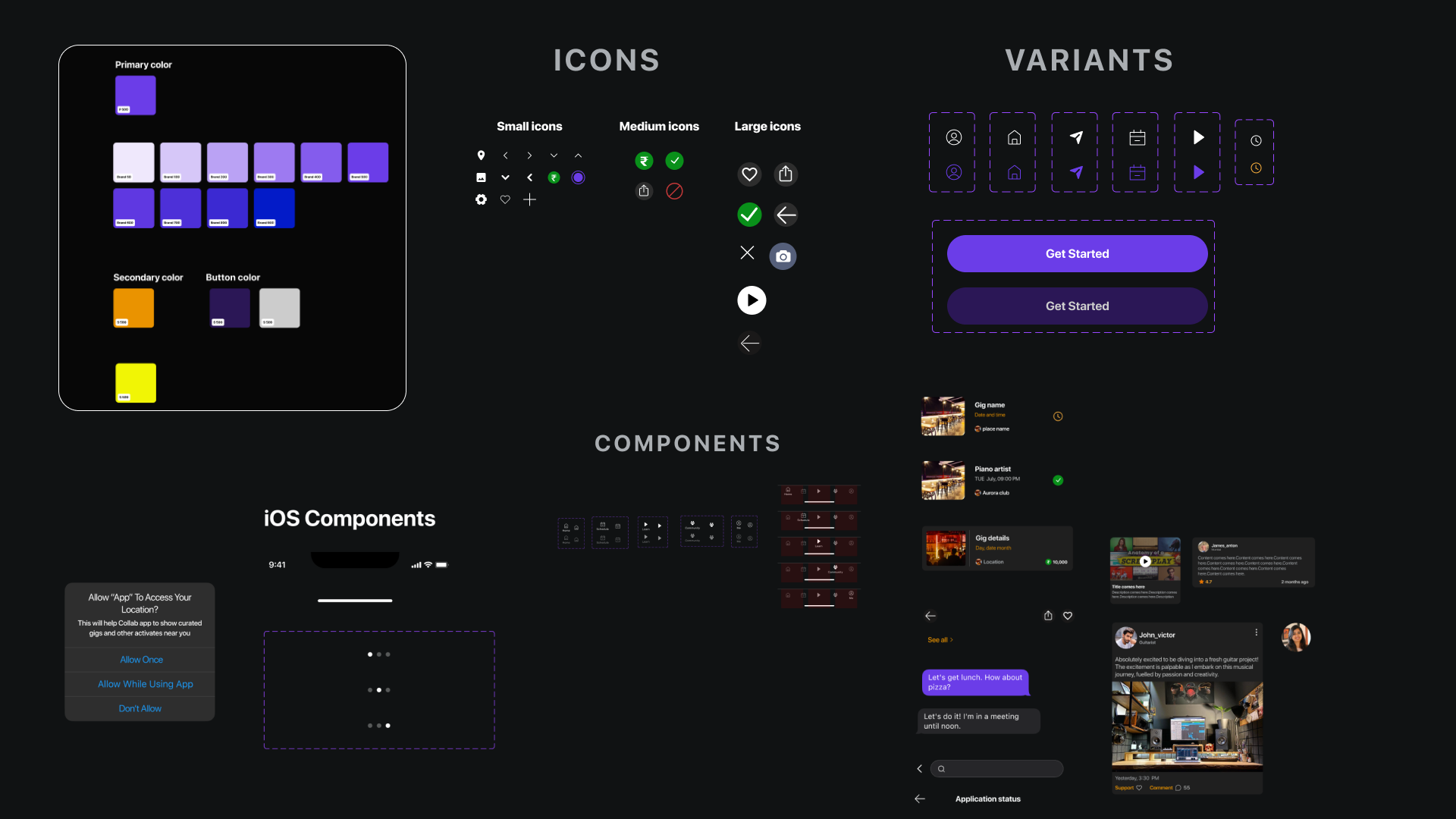
Design System
Aligning typograpdhy, color palette and graphical elements for consistency accross all the designs elements
Feedback and Iterations
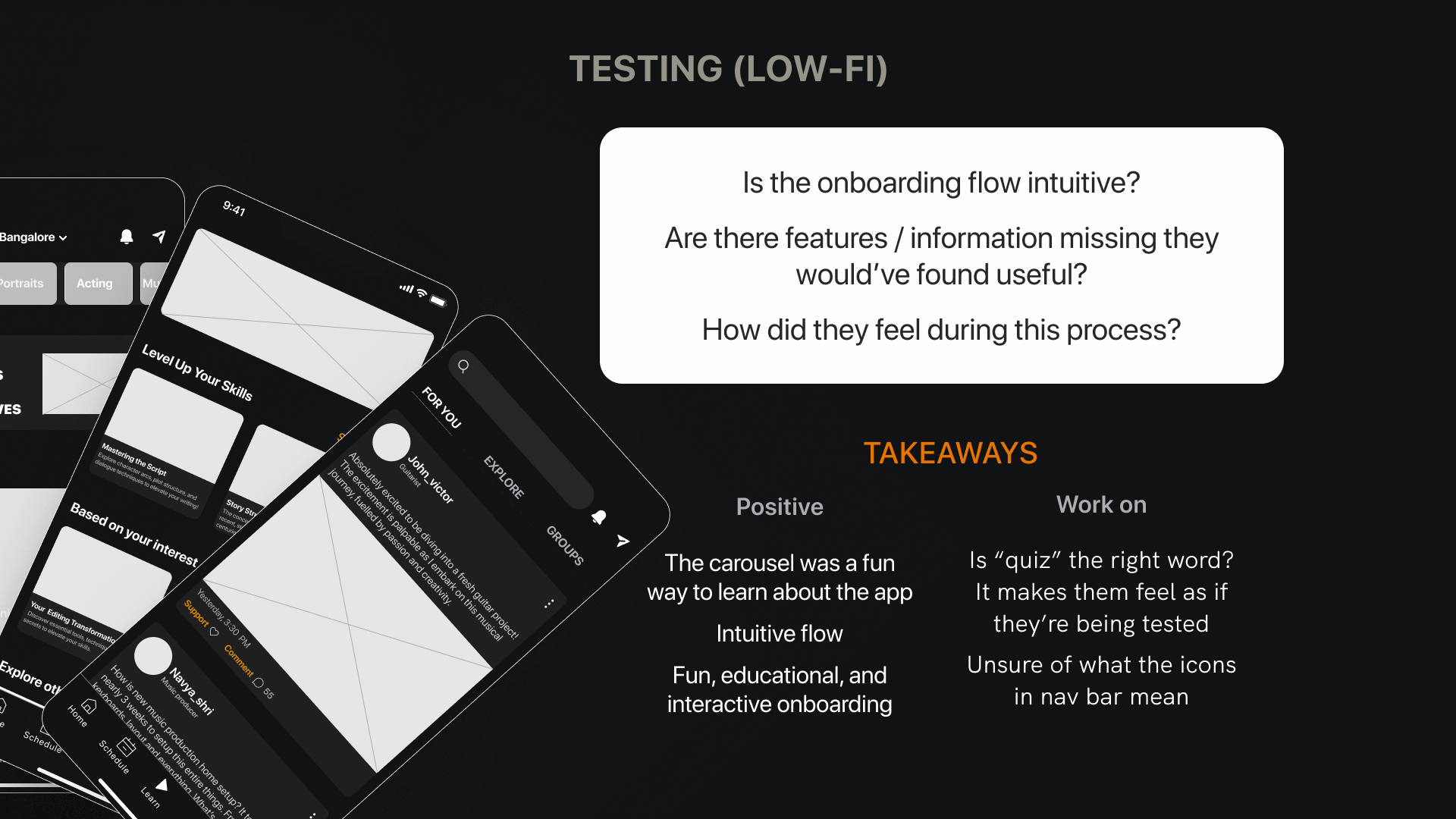
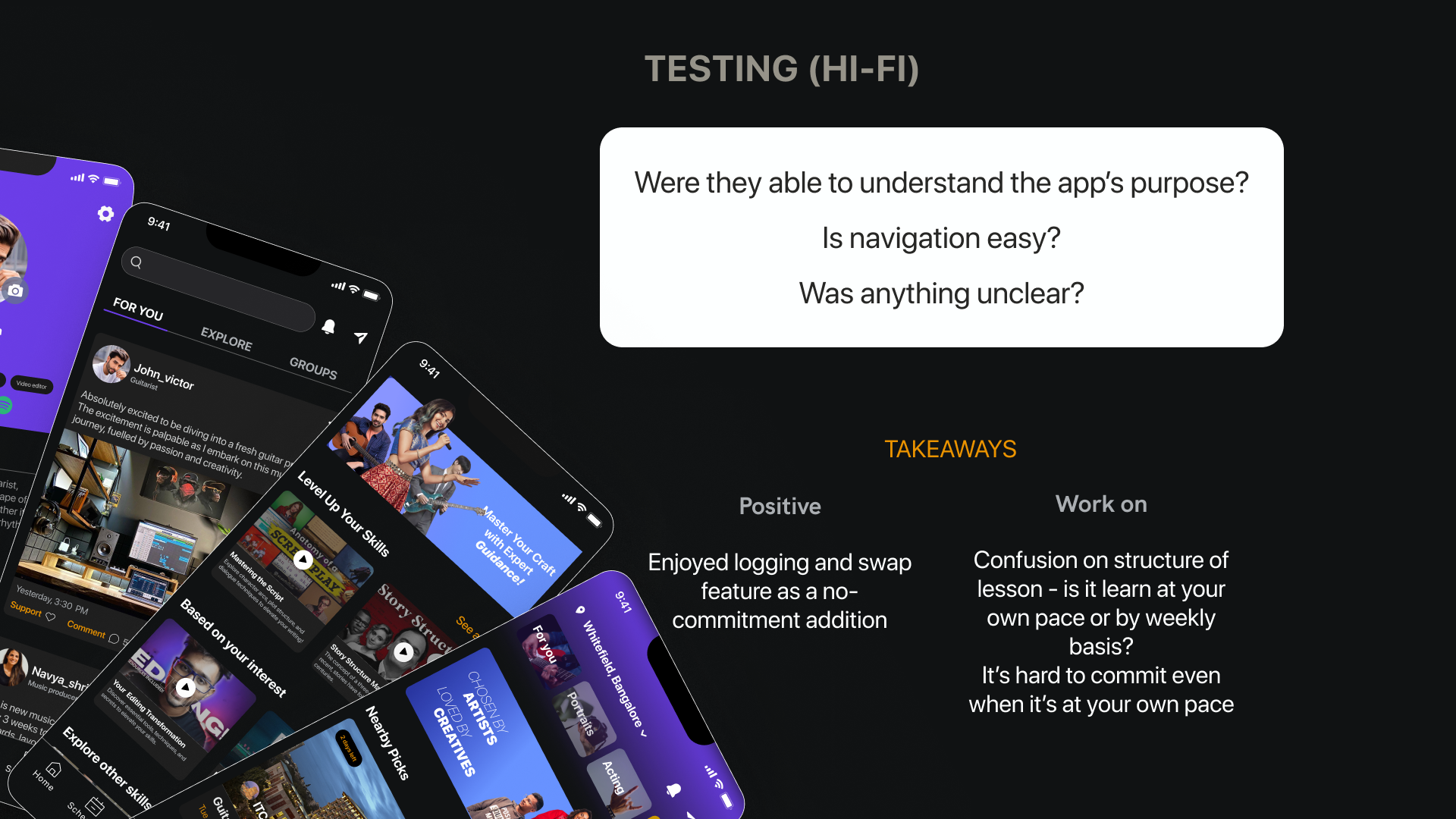
We gathered user feedback through testing sessions and implemented multiple design refinements to enhance usability and meet user expectations.
#1
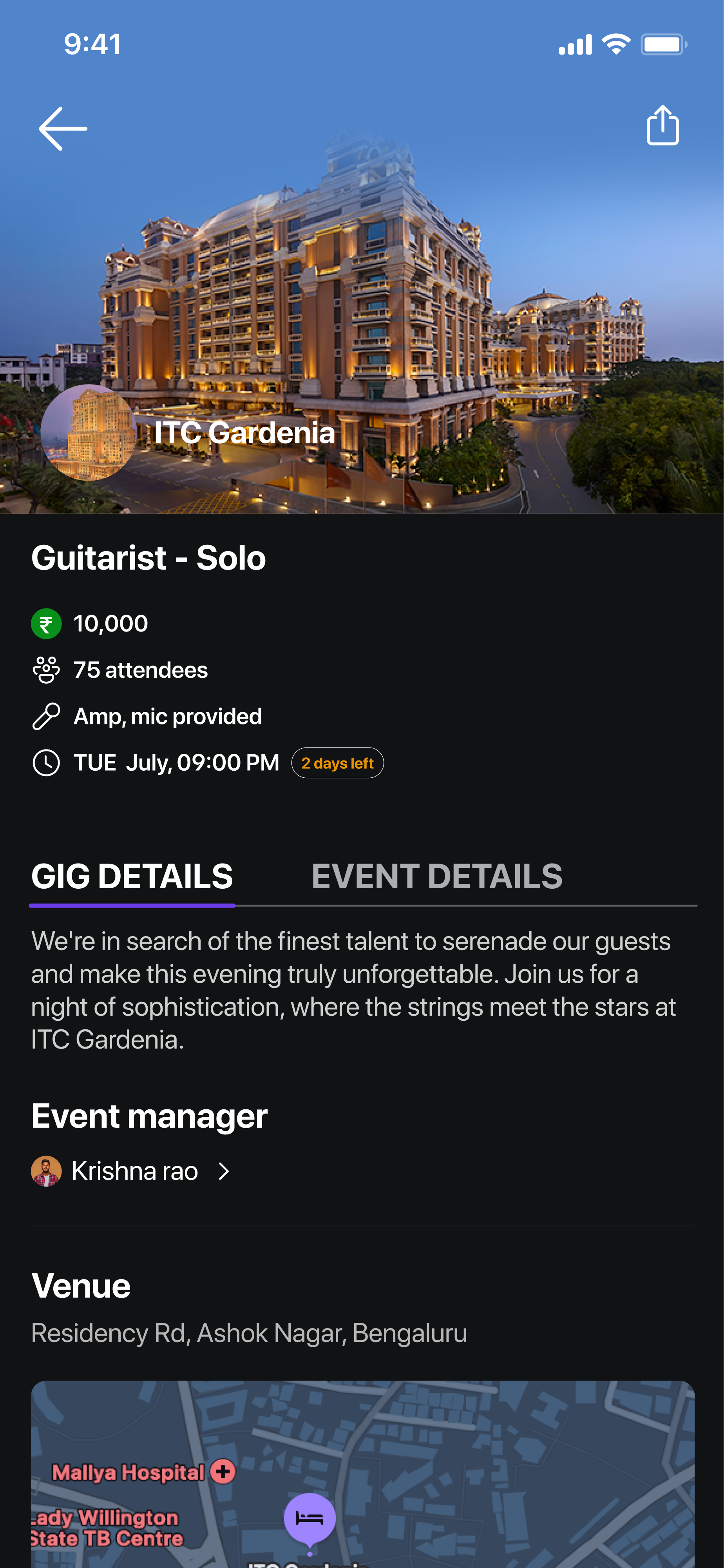
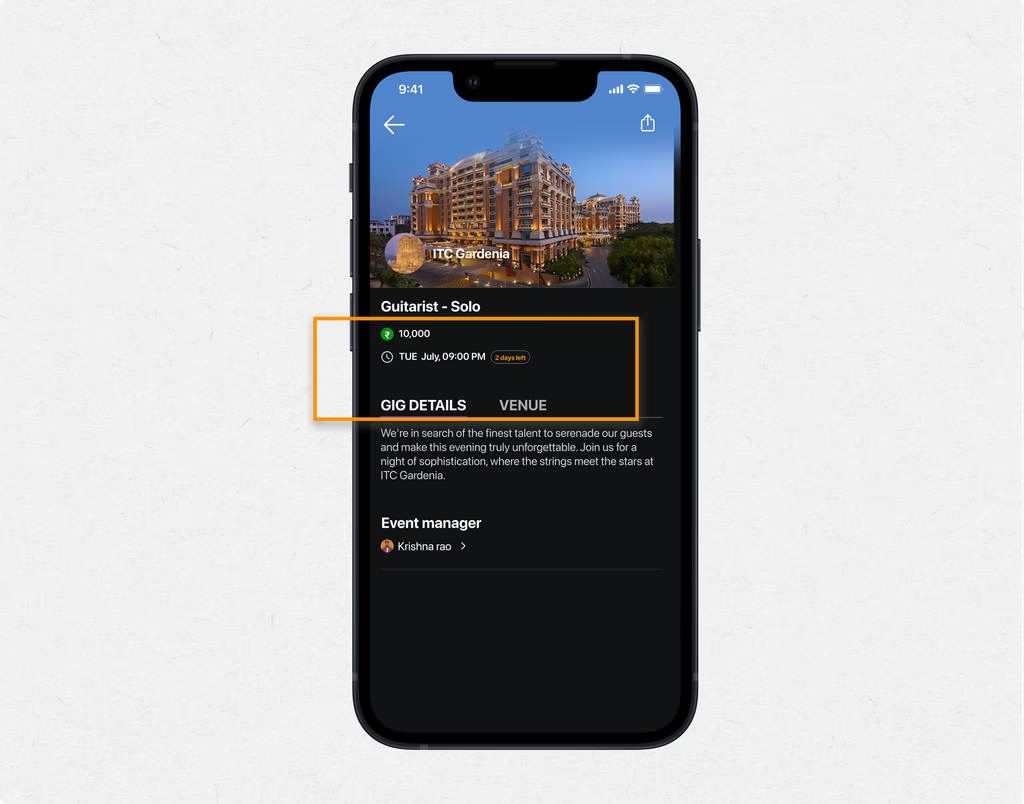
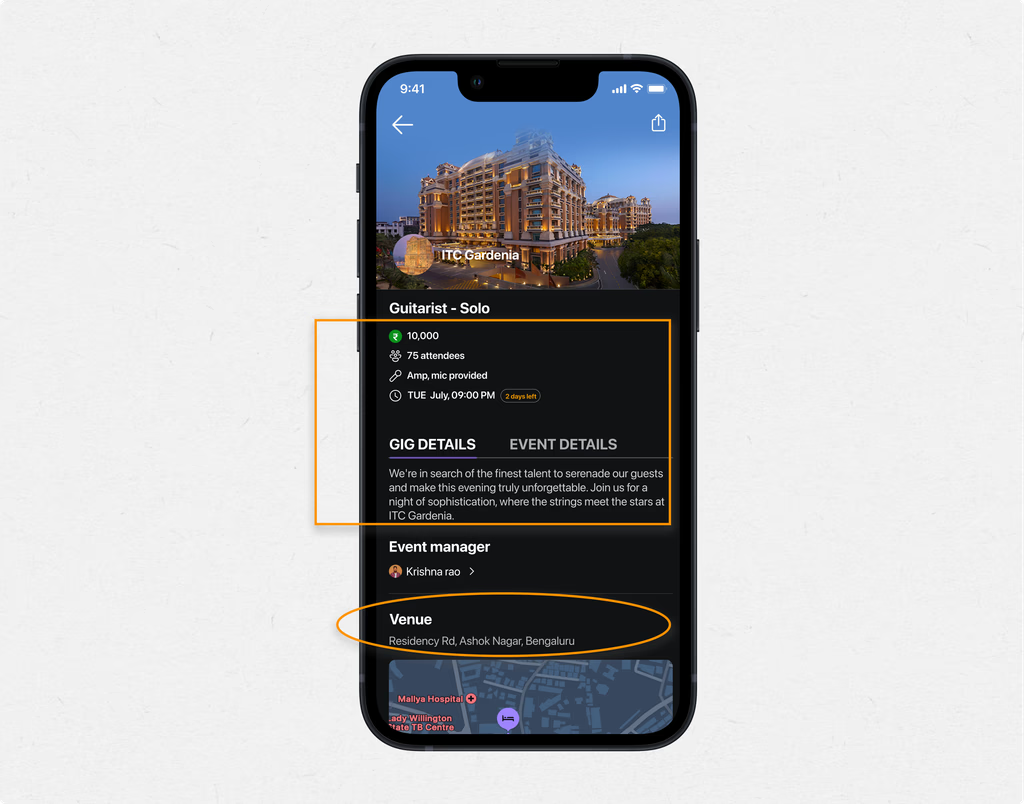
After user testing we realised that user wants to know more about event details
like:
1. How much the attendees will be there for the event?
2. What are all the instruments that can be provided by the event management?
They were not only just expecting the compensation with the date and time details added with
that they want to get a little preview on what the event is about
#2
So, What we did?
1. We added up the information of the gig with number of attendees and what are all the
equipments or the instruments the event management can provide.
2. We designed a separate tab for event details to get overall view about the event.
3. Moved the venue section below with opened face of map and the address details.
(Did that worked ?- Hmmm no surprise yup! it worked well among users and got a good result
while again testing it)
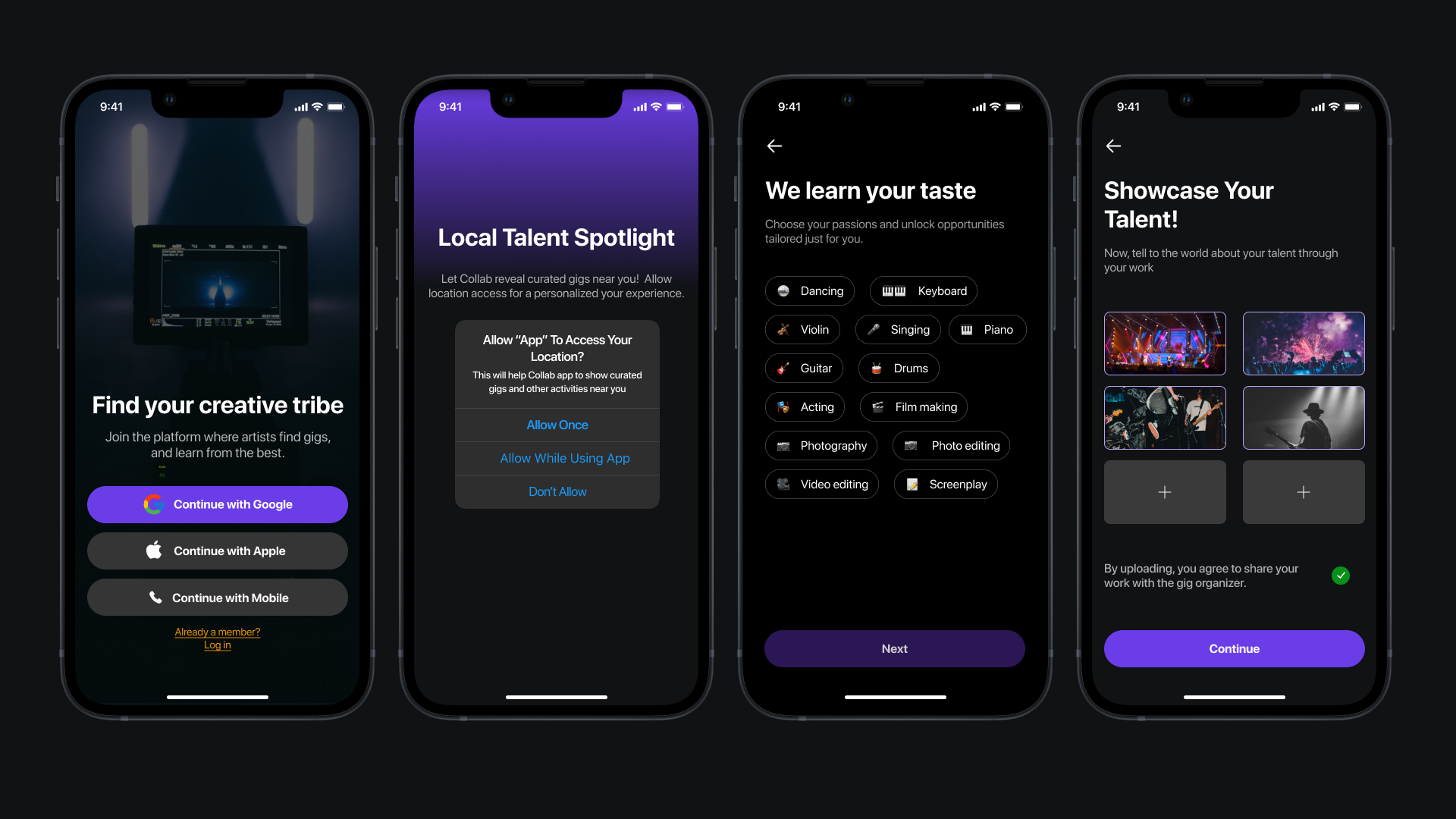
High - Fidelity Prototyping
produced Final Hi-Fi Prototypes variation for testing.
Reflection...
Design concluded with:
1. Our UX process refined CoLab's flow and design, solving user pain points and bottlenecks.
2. Creating a community and course platform cleared learning source confusion and doubled gig
artist's learning speed 2x.
3. Enhancements have been made to the schedule feature, allowing users to track their
application right on time effectively.
Learnings:
1. It was extremely challenging and interesting to design an entertainment and event host
industry as a mobile application, ensuring intuitive interfaces that accommodate complex
micro-interaction flow processes.
2. I learnt how to design an MVP for a flexible and scalable design foundation that can be
accommodated future iterations and expansions of the product without sacrificing usability or
performance.
3. Since this was the first-ever version of the product, I also had to plan the kind of brand
impact it would be making.
Key Takeaways:
1. Empathy is Key. Understanding the frustrations and needs of gig artists through empathy
mapping was critical in designing the gig tracking and learning features.
2. User Feedback Drives Improvement. Continuous testing and iteration based on real user
feedback helped us refine the design and solve emerging pain points.